Rubber Roofing Edmonton
Euroshield is a permanent roofing system.
Install a rubber roofing system with us and receive:
- Customized workmanship
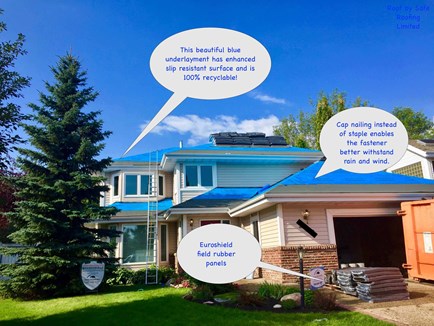
- Premium grade underlayment is available
- Cap-nails are available
- 30 or 50 snow guards
- Discounts
Looking for more information? check out:
Rubber roofing pros:
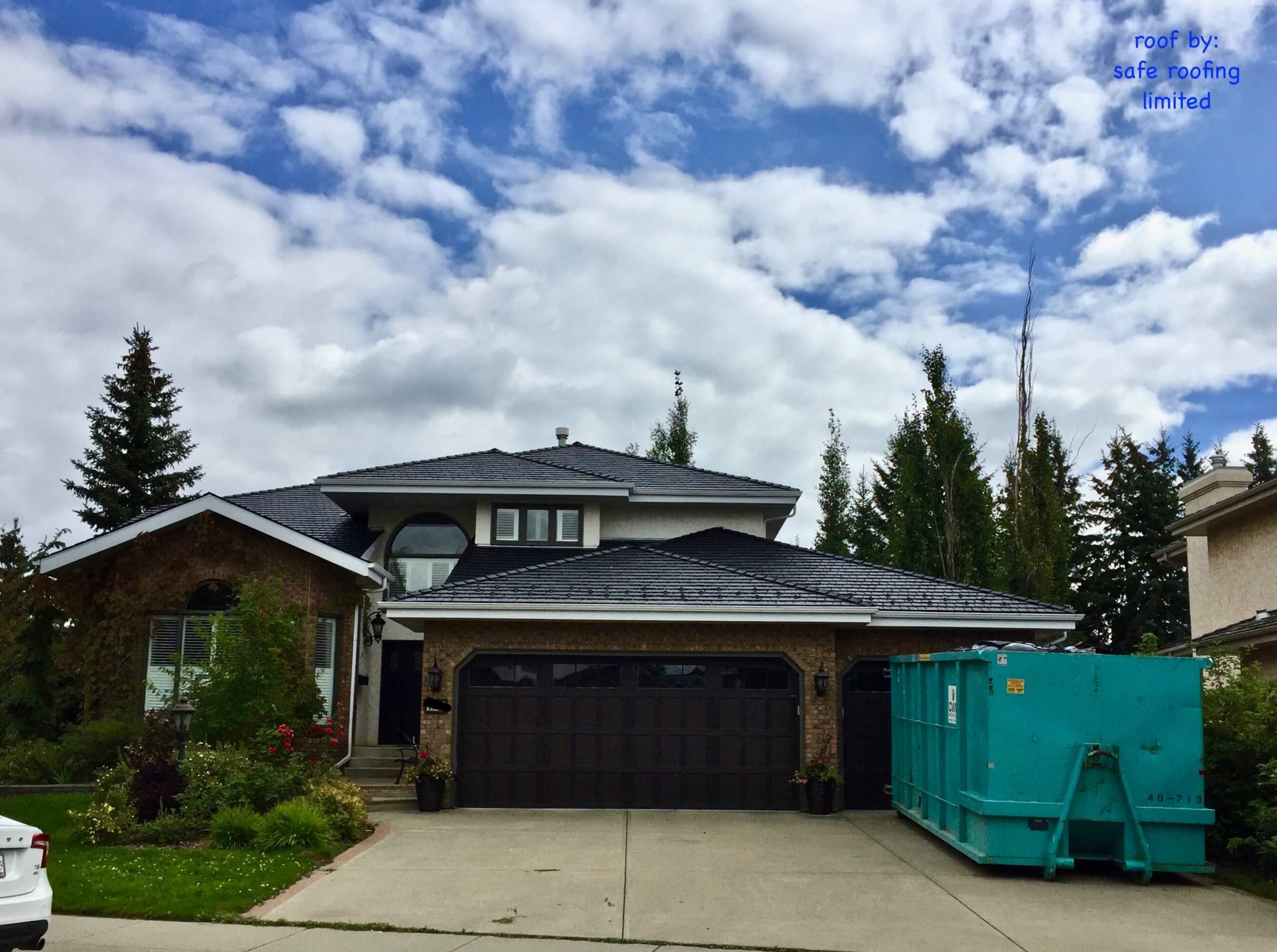
- Resemble natural cedar shake or slate
- 50 years lifespan
- Extremely durable, hail resistant
- Vermont Slate HP (solid core) is hail proof*
- Do not crack, curl or rot
- The interlocking system provides great wind resistance
- Up to 95% recycled content
*is warrantied hail proof for any size hail for the first 20 years, followed by 30 additional years of 2″ hail damage.
Learn more: Euroshield Product and Cost
Contact us for a free quote.
Rubber Roofing and EPDM
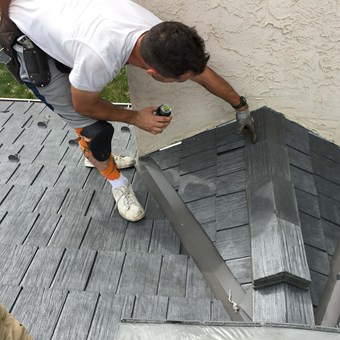
A rubber roof is also known as an EPDM roof. EPDM is a commonly used roofing system for flat roofs. However, this type of rubber roof should be distinguished from the Euroshield rubber roofing system. Euroshield rubber roofing system is for sloped roofs, and they require a minimum roof pitch of 3/12.
How to check if a roofing contractor is qualified?
This is especially crucial when you are going to spend big bucks and do a once-in-a-lifetime Euroshield rubber roofing system for your home. Before you pick up the phone and make a call, I encourage you to do a little bit of roofing contractor research.
How to check your roofing contractor?
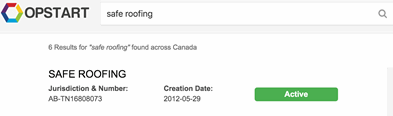
1. Reputable roofing contractors are searchable on the internet. They are often BBB accredited for several years, have an official website, active social media sites on multiple platforms.
Check how long your roofing contractor has been in business. Don’t just believe what people tell you.
2. Reputable roofing contractors may not be the lowest bidders.
3. Reputable roofing contractors do not do “cash deals” for a roof replacement.
4. Ask for a list of references.
5. Send roofing contractors emails, ask hard questions and see if they are responsive and helpful.
6. Reputable roofing contractors will not promise you everything and anything. But when they promise you to do something they will deliver them on time and budget.

Frequently Asked Questions
1. What is rubber roofing and how does it work?
Rubber roofing is a durable roofing system made from recycled rubber materials, often designed to mimic traditional shingles while offering enhanced performance. Products like Euroshield rubber roofing are engineered to be flexible, impact-resistant, and weatherproof. The material is installed in overlapping panels or shingles, creating a sealed barrier that protects the home from water infiltration, wind, hail, and UV exposure. Its flexibility allows it to expand and contract with temperature changes, reducing cracking and long-term wear.
2. Why is rubber roofing a good option for Canadian homes?
Rubber roofing is particularly well-suited for Canadian climates because it is designed to withstand extreme weather conditions. It performs exceptionally well in freeze-thaw cycles, heavy snowfall, ice, and hailstorms. Unlike some traditional materials that become brittle in cold temperatures, rubber roofing remains flexible and resistant to cracking. This makes it a reliable long-term solution for homeowners in regions with harsh and unpredictable weather patterns.
3. How long does a rubber roof last compared to an asphalt?
Rubber roofing typically lasts significantly longer than standard asphalt roofing. While asphalt shingles usually last between 15 and 30 years, depending on quality, rubber roofing systems can last 40 to 50 years or more with proper installation and maintenance. This extended lifespan is due to the material’s durability, resistance to UV damage, and ability to withstand impact and weather stress over time.
4. Is rubber roofing environmentally friendly?
Yes, rubber roofing is considered an environmentally friendly roofing option. Many rubber roofing products are made from recycled materials, such as used tires, which helps reduce landfill waste. In addition, its long lifespan means fewer roof replacements over time, reducing overall material consumption. Rubber roofing is also energy-efficient in many cases, helping to regulate indoor temperatures and reduce heating and cooling demands.
5. What are the advantages of Euroshield rubber roofing?
Euroshield rubber roofing offers several key advantages, including exceptional durability, hail resistance, and long-term performance. It is designed to withstand severe weather conditions common in Canada, including heavy snow and high winds. It is also highly flexible, which helps prevent cracking and damage during temperature fluctuations. Additionally, Euroshield products are made from recycled rubber, making them a sustainable choice. Their appearance closely resembles traditional shingles, offering both aesthetic appeal and high performance.
6. How resistant is rubber roofing to hail and impact damage?
Rubber roofing is one of the most impact-resistant roofing materials available. It is specifically engineered to absorb and disperse the force of hail, falling branches, and debris without cracking or breaking. Unlike traditional asphalt shingles, which can lose granules or fracture under impact, rubber roofing maintains its structure and protective seal. This makes it an excellent choice for regions prone to hailstorms or severe weather events.
7. What is the cost difference between rubber and asphalt roofing?
Rubber roofing generally has a higher upfront cost compared to asphalt shingles due to its advanced materials and longer lifespan. However, while asphalt roofing is more affordable initially, it may require more frequent repairs or replacement over time. Rubber roofing offers better long-term value because of its durability and reduced maintenance needs. Homeowners often find that the lifecycle cost of rubber roofing is lower despite the higher initial investment.
8. Does rubber roofing require regular maintenance?
Rubber roofing requires relatively low maintenance compared to traditional roofing systems. Routine inspections are recommended to ensure there is no debris buildup, damage, or issues with flashing and drainage. Because of its durability and resistance to cracking, rubber roofing typically experiences fewer problems over time. Occasional cleaning and professional inspections are usually sufficient to keep the system performing optimally.
9. Can rubber roofing be installed on any type of roof?
Rubber roofing can be installed on most residential roof types, but suitability depends on the roof’s slope, structure, and condition. It is commonly used on steep-slope residential roofs where traditional shingles are installed. However, a proper assessment by a roofing professional is necessary to ensure the structure can support the material and that the installation will meet manufacturer specifications. In some cases, minor adjustments or preparation may be required before installation.
10. Is rubber roofing worth the investment long-term?
Yes, rubber roofing is often considered a strong long-term investment due to its durability, long lifespan, and low maintenance requirements. While the initial cost is higher than that of asphalt roofing, its ability to withstand harsh weather, resist damage, and last several decades makes it cost-effective over time. Homeowners also benefit from reduced repair costs and improved protection, making it a reliable option for those planning to stay in their home long-term.