1. What are the most common signs that a roof needs repair?
The most common signs of roof damage include missing or cracked shingles, water stains on ceilings or walls, visible leaks, sagging roof sections, and excessive granule loss from shingles. Homeowners may also notice mold growth, damp insulation in the attic, or increased energy bills due to poor roof performance. Exterior signs like curling shingles, damaged flashing, or debris buildup can also indicate underlying issues that need professional attention.
2. How quickly should I fix a leaking roof?
A leaking roof should be repaired as quickly as possible, ideally immediately after the issue is discovered. Even a small leak can allow water to enter the roof structure, leading to mold growth, insulation damage, and structural weakening. Delaying repairs can significantly increase repair costs over time. In many cases, emergency temporary fixes may be applied to stop further damage until a permanent repair is completed.
3. What types of roof damage can be repaired?
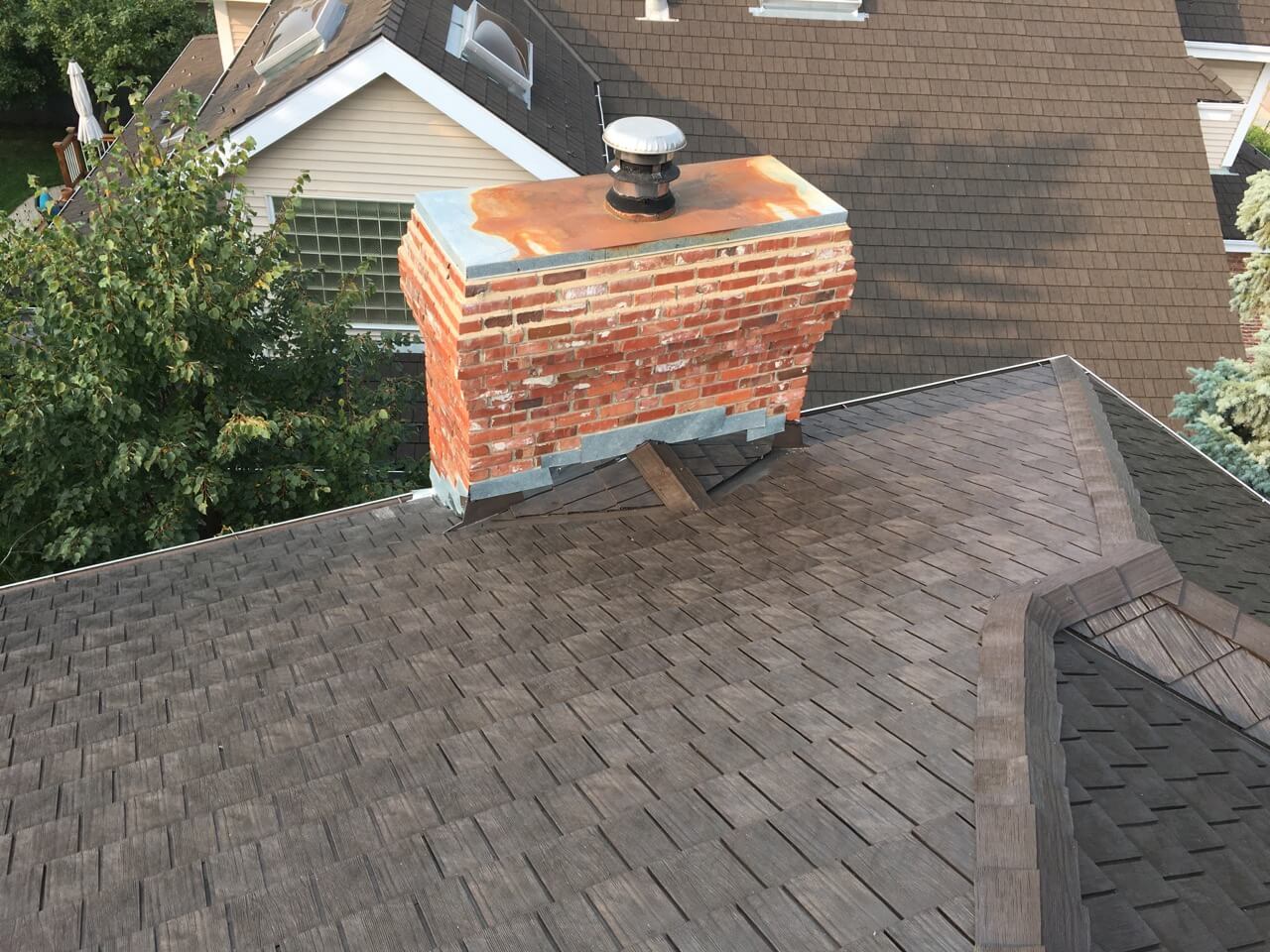
Many types of roof damage can be repaired depending on severity. These include missing or damaged shingles, small punctures, minor flashing issues, localized leaks, and damage caused by wind or fallen branches. Flashing around chimneys, vents, and skylights can also often be repaired without replacing the entire roof. However, widespread deterioration or structural damage may require a full replacement instead of repairs.
4. How much does roof repair typically cost?
Roof repair costs vary depending on the type and extent of damage, roofing material, roof accessibility, and labor requirements. Small repairs such as replacing a few shingles are generally affordable, while more complex issues like leak detection, structural repair, or storm damage restoration can cost more. The overall price is also influenced by urgency, especially in emergency repair situations. A professional inspection is the best way to get an accurate estimate tailored to your roof.
5. Can storm damage be repaired without replacing the whole roof?
Yes, storm damage can often be repaired without replacing the entire roof, depending on the severity and extent of the damage. Localized issues such as missing shingles, minor leaks, or damaged flashing can usually be fixed effectively. However, if the storm has caused widespread damage, such as large sections of missing shingles or structural compromise, a full replacement may be recommended. Insurance assessments often play a role in determining the best course of action.
6. How long do roof repairs usually take?
Most roof repairs can be completed within a few hours to a full day, depending on the complexity of the issue. Simple fixes like replacing shingles or sealing small leaks are typically quick, while more extensive repairs involving multiple damaged areas or underlying structural work may take longer. Weather conditions and roof accessibility can also affect the timeline, but professional contractors aim to complete repairs efficiently to minimize disruption.
7. What causes shingle blow-offs and how can they be fixed?
Shingle blow-offs are commonly caused by strong winds, improper installation, aging materials, or weakened adhesive seals. Once shingles are lifted or removed, the underlying roof becomes vulnerable to leaks and further damage. Repairs typically involve replacing missing shingles and ensuring proper sealing and fastening. In some cases, underlying issues such as poor ventilation or aging roofing materials may also need to be addressed to prevent future blow-offs.
8. Can attic condensation lead to roof damage?
Yes, attic condensation can significantly contribute to roof damage over time. Poor ventilation allows warm, moist air from inside the home to accumulate in the attic, where it condenses on cooler surfaces. This moisture can lead to mold growth, wood rot, and deterioration of roofing materials from the inside out. Proper ventilation and insulation are essential to controlling moisture levels and preventing long-term structural damage.
9. Is it better to repair or replace a damaged roof?
The decision between repair and replacement depends on the age of the roof, the extent of the damage, and the overall condition. If damage is isolated and the roof is relatively new, repairs are often the most cost-effective option. However, if the roof is aging, has widespread issues, or requires frequent repairs, a full replacement may be more economical in the long run. A professional inspection can help determine the most practical solution.
10. Do roof repairs come with a warranty?
Yes, many professional roofing companies offer warranties on roof repairs, although coverage can vary. Workmanship warranties typically cover installation or repair quality, while material warranties are provided by manufacturers. The length and terms of the warranty depend on the type of repair and materials used. A reliable contractor will clearly explain warranty coverage before starting any repair work, ensuring homeowners understand what is protected.